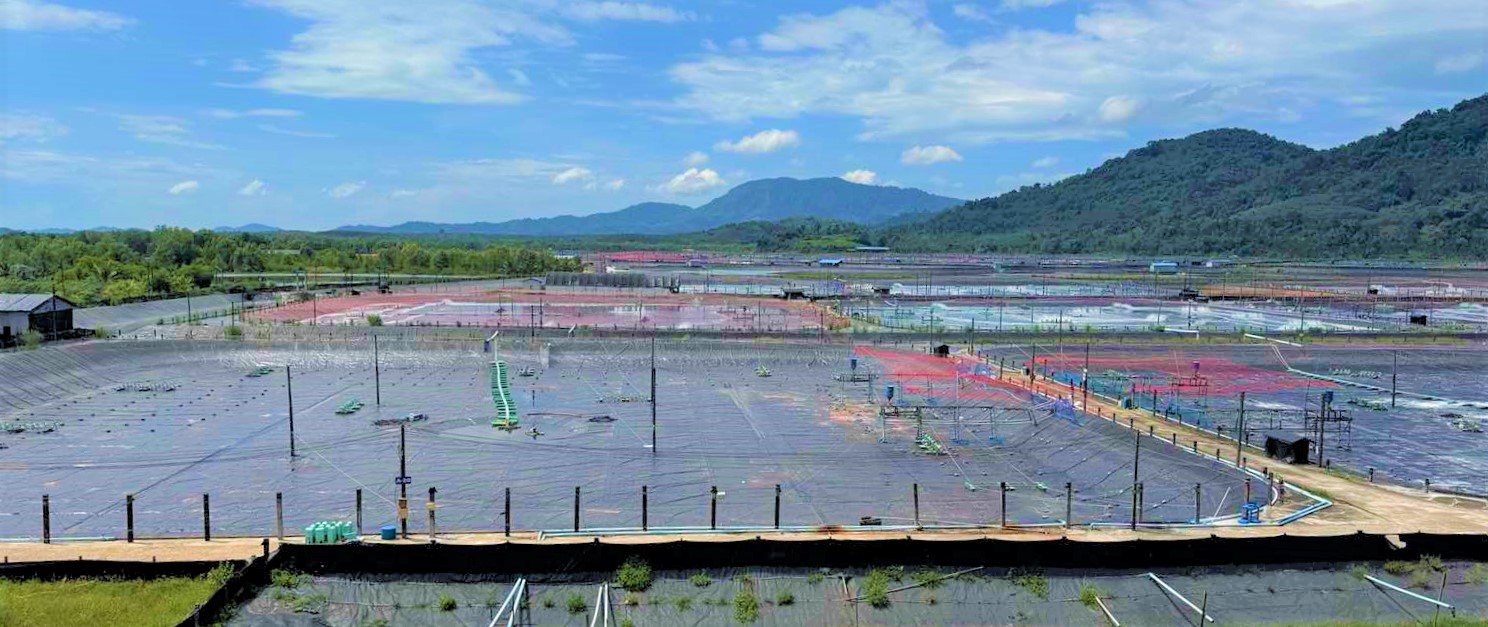
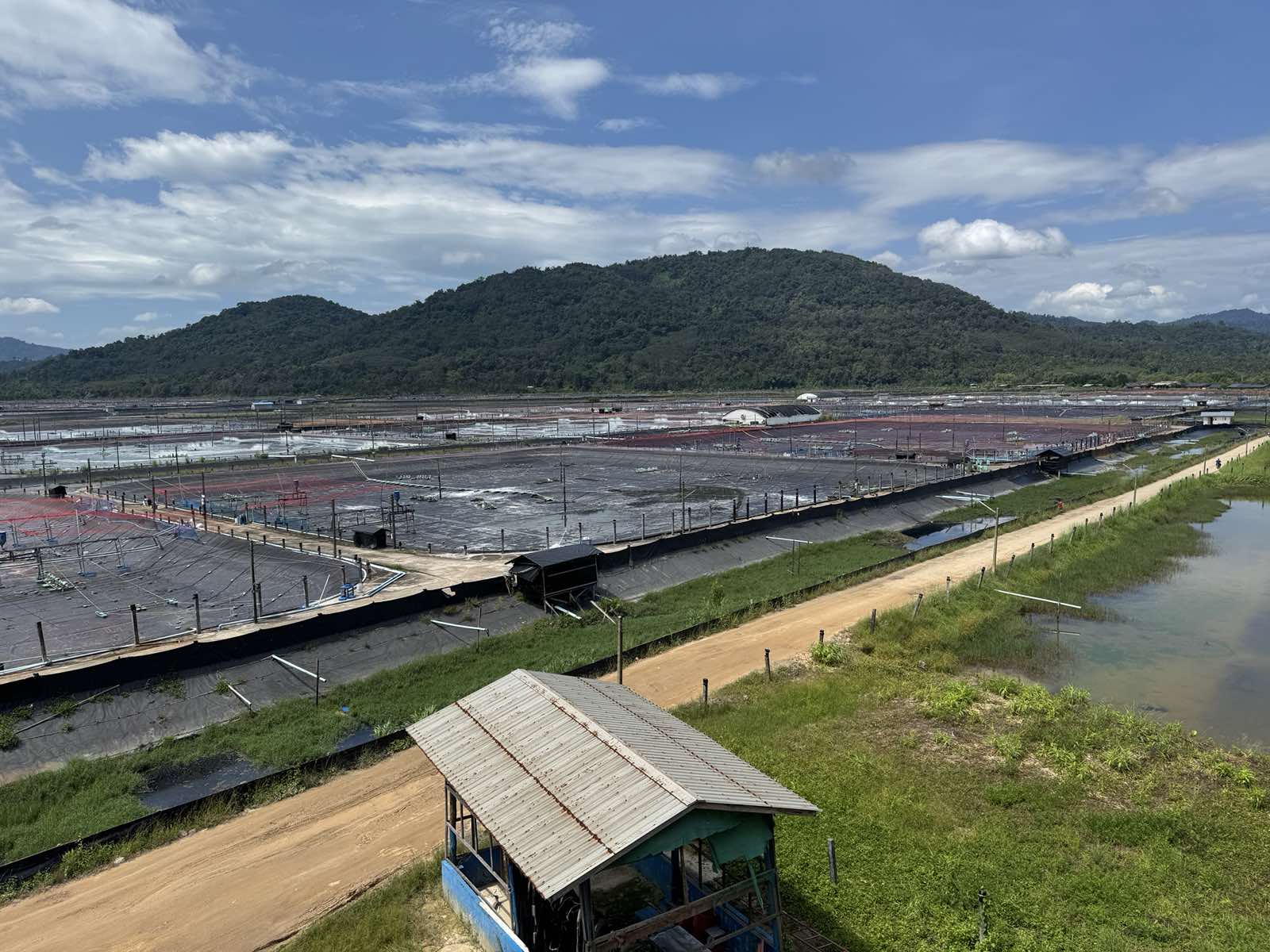
THE Myanmar Fisheries Federation (MFF) has emphasized the urgent need for a strategic, long-term aquaculture plan to transform the country’s fish and shrimp farming sectors into major drivers of economic growth. As a vital component of the national economy, a developed fisheries sector would substantially boost GDP, strengthen food security, and secure crucial foreign exchange earnings.
Highlighting the critical gap holding the local industry back, Dr Toe Nanda Tin, Senior Vice-President of the MFF, said, “A strategy provides a systematic roadmap for long-term success, which our aquaculture industry currently lacks. Vietnam’s economy has grown exponentially over the last few decades purely because of strategic planning. Without a clear strategy, local farmers will continue to breed fish using traditional methods based on guesswork, stalling sectoral growth. When farmers experience unpredictable cycles of profit and unrecoverable loss, it damages the entire industry over the long term.
“To move forward, major commercial players must collaborate, invest in livestock and farming, and enlist the help of academic experts to develop an industry strategy. A sound strategy enforces a systematic approach, ensuring our farming sector no longer lags.”
The stark contrast between traditional and strategic farming is evident in production yields. In Myanmar, a typical one-acre freshwater pond with a depth of six feet accommodates roughly 10,000 fish fries. In contrast, Vietnam utilizes intensive farming techniques, raising to 150,000 fries in a highly efficient half-acre pond dug 20 feet deep.
This technological gap is directly reflected in trade figures: Myanmar earns just over US$70 million annually from seafood exports, whereas Vietnam generates over US$1.1 billion.
MFF also noted that establishing a robust domestic supply of feed, utilizing raw materials from local soybean and rice production, is essential to reduce reliance on expensive imported feed. Furthermore, as global climate change inevitably depletes wild ocean fish stocks, a systematic shift towards advanced freshwater and saltwater farming will ensure reliable domestic consumption and steady exports.
With vast freshwater rivers and extensive coastlines, effectively managing Myanmar’s aquatic resources through structured strategic planning could rapidly increase foreign exchange earnings within the next decade. — Nyein Thu (MNA)/MKKS