
By Hu Wo (Cuckoo's Song)
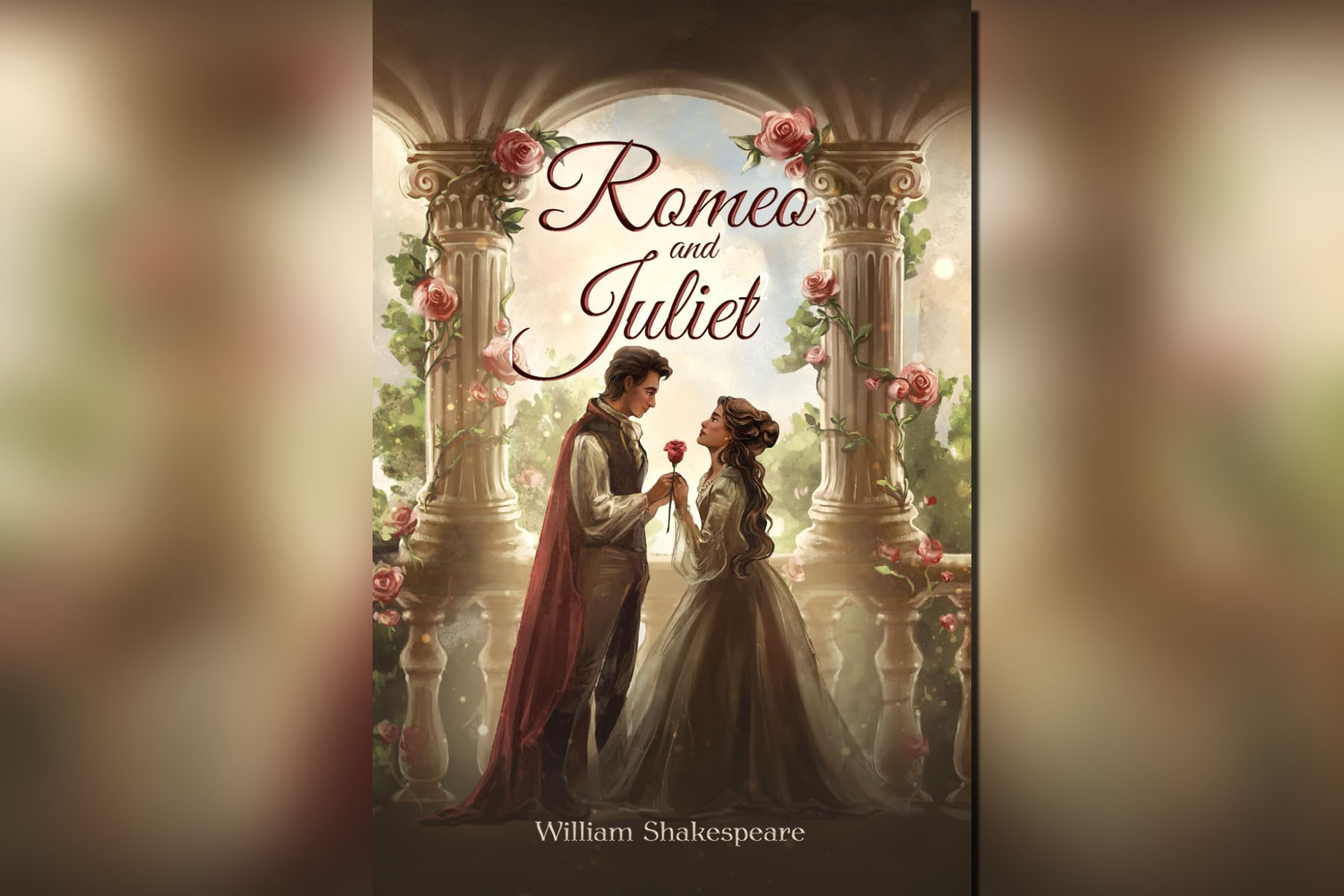
Drama had occupied the golden age in world literature, we all know. Perhaps there would be no reader who has not heard the tragedy `Romeo and Juliet´ by William Shakespeare at all. As global literature is often categorized as three main parts – prose, poetry and drama, works of art in drama can be found in heaps all over the globe. In fact, although drama differs from the first two types of literature in that it depends on thematic material, it is mostly a combination of poetry and prose in its writing. That is to say, Myanmar drama, especially classical drama, was seen to be written in verse as well as in prose. No matter whether it was done, the common features of drama will be described herein.
Of course, drama is identical to fiction for the most part simply because plays have plots, themes, characters and setting as well as the playwright can make use of these elements of literature. Among the elements of a play, a proper understanding of the four elements – story, dialogue, action, and character is crucial to the appreciation of drama.
Firstly, a drama tends to emphasize the story with chronological developments of premediated and artistically arranged action, yielding a dramatic plot which contains five key structures, namely exposition, complication, crisis, falling action, and resolution. As usual, the exposition provides essential background information, introduces the cast, begins the characterization and initiates the action. Similarly, the complication also introduces and develops the crisis, so there is often no sharp division between these two parts. The crisis or turning point of a play usually involves a decisive action between a protagonist and an antagonist, particularly commencing when one or more main characters first become aware of an impending difficulty or when their relations start to change. But identifying when the crisis takes place is no easy task, as always. As the consequences of the crisis accumulate, the plot thickens, and its events develop a momentum of their own. The falling action of a play may result from the protagonist's loss of control, and a final catastrophe then appears inevitable very often. Usually, the resolution brings to an end the conflict that has been implicit or even explicit since the play's opening scenes. When the curtain comes down, the relationships among the characters of a story will have once more stabilized.
Secondly, dialogue is indispensable in a drama, which is quite different from ordinary dialogues since dramatic dialogue is composed of concrete nouns and active verbs, eliminating irrelevancies; unnecessary repetitions and sufficient background information of the time, place or circumstances of an action must be included in it as well. Such a dialogue in the form of discussion, argument or inquiry offers vital factual information, to reminisce, to speculate and to foreshadow. Also, a playwright makes good use of different language styles, such as formal, colloquial and informal, as a tool of characterization.
Thirdly, actions in a play are commonly the inevitable by-products of a performance, though they can be indicated or suggested in the script, affecting both the characterization of speakers and the degree of dramatic emphasis given to their words, as well as drama readers must be sensitive to actions implied in the dialogue. Most modern texts of a play formally incorporate the actions in editorial staged directions, but in all drama, the script itself is only a partial guide to the dramatic action. Whatever is said, the formally staged directions and the creative contributions of actors and directors are designed either to highlight the themes and character traits introduced in the dialogue or to stimulate further dialogue. After all, dramatic actions enhance and emphasize the value and clarity of a dialogue.
Finally, dramatis personae or characters of a play are protagonists, antagonists and sometimes confidants. Major characters like the protagonist and antagonist have complex motives. We are able to learn characterizing details from the names, physical appearance and patterns of action of those characters, where dialect, choice words, and grammar may even hold the clues to each character's background situation and intelligence. The way a character responds to others and what others say about a character can help us understand them, actually.