
THE Ministry of Health has announced the drafting of the new National Malaria Strategic Plan 2026-2030, aimed at achieving the complete elimination of malaria in Myanmar by 2030 and enhancing the country’s outbreak response capabilities.
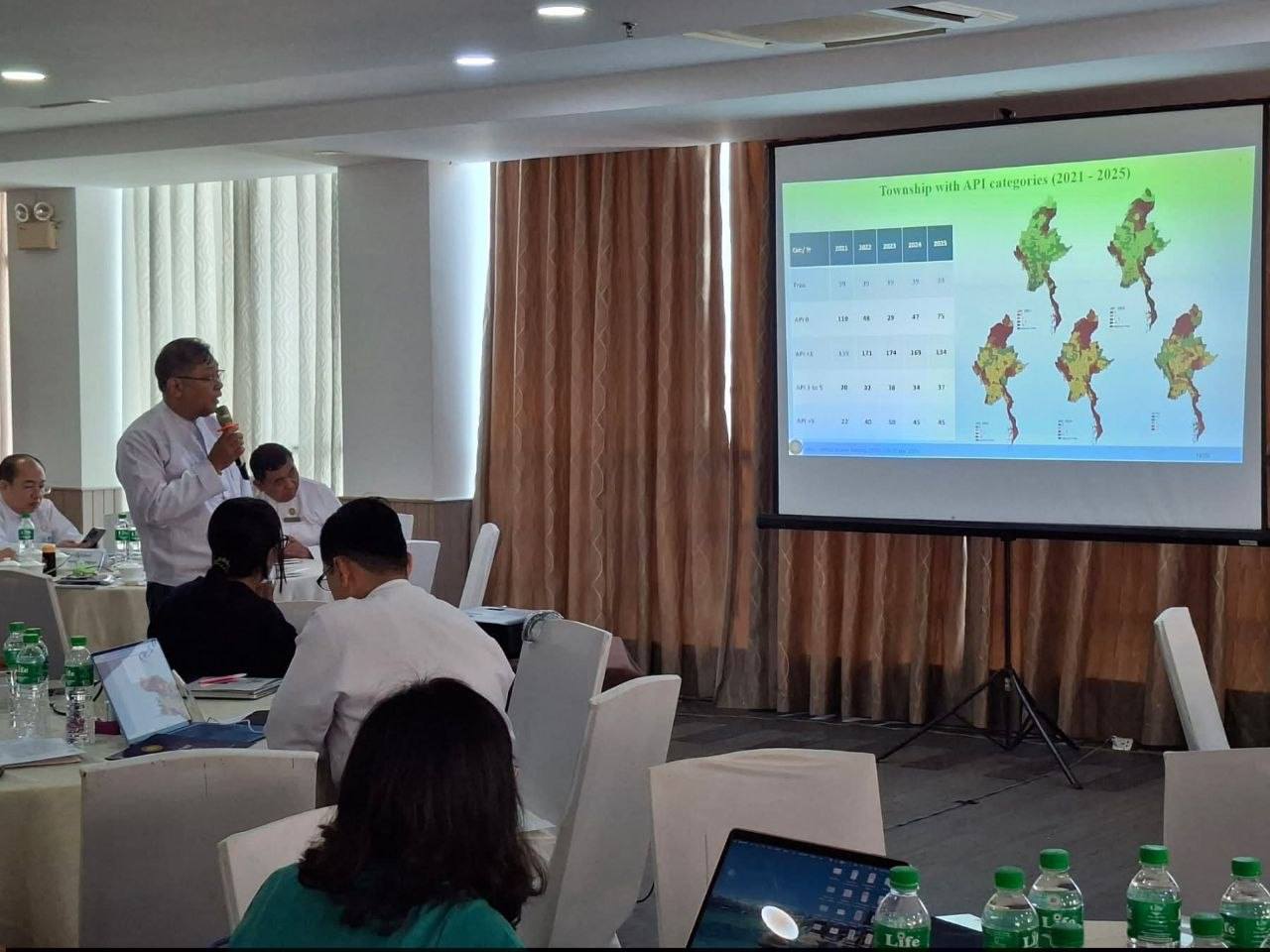
A high-level meeting on the formulation of this strategic plan was recently convened in Nay Pyi Taw. During the session, officials reviewed the past year’s progress in the prevention and control of mosquito-borne diseases, including malaria, dengue haemorrhagic fever, lymphatic filariasis, Japanese encephalitis, and chikungunya.
The Ministry of Health emphasized that its primary focus will remain on robust outbreak response and effective supply chain management to ensure there are no shortages of essential medicines and medical equipment. It was further noted that the national budget has already funded the procurement and distribution of medicine and supplies for dengue control to all regions and states. Similarly, the Ministry is working towards the elimination of lymphatic filariasis by 2030, while maintaining continuous surveillance and prevention efforts for Japanese encephalitis.
Malaria remains a life-threatening disease caused by parasites and transmitted to humans through the bites of infected mosquitoes. The World Health Organization (WHO) has highlighted that while anyone can be infected, those at higher risk include migrant workers, individuals employed in construction, agriculture, or forestry within endemic areas, and residents of regions bordering malaria-prone zones. Pregnant women and children under the age of five are particularly vulnerable to severe complications. To achieve the goal of a malaria-free Myanmar by 2030, the WHO maintains that prevention, continuous surveillance, and rapid response are critical components of effective case investigation and treatment. — ASH/KNN