By Min Min Zan
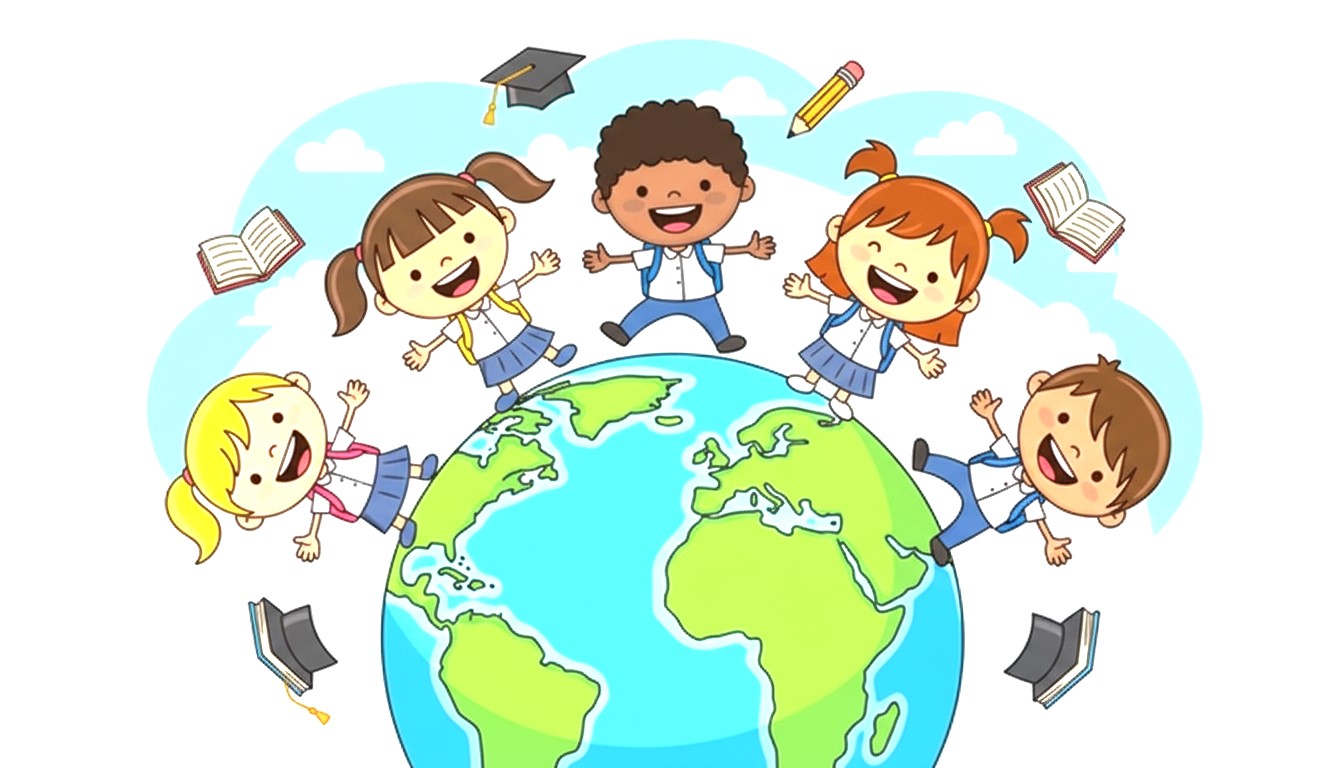
EDUCATION is often described as the key to the future. It opens doors to opportunities, builds character, and helps societies grow in harmony. Recognizing this truth, the United Nations General Assembly officially declared 24 January as the International Day of Education in 2018. Since then, people around the world have celebrated this day every year, reflecting on the importance of learning and the role it plays in building a better world.
One can explore the background of the International Day of Education, its goals, the challenges that remain, and why it matters for young people and communities everywhere. I will also share some ideas on how we can celebrate this day meaningfully, especially in countries like Myanmar, where education is both a challenge and a hope for the future.
The Origin of the International Day of Education
The International Day of Education was established through a resolution of the United Nations General Assembly. Nigeria, together with 58 other member states, proposed the idea. The resolution was adopted in December 2018, and the first celebration took place on 24 January 2019.
The purpose of this day is clear: to highlight education as a fundamental human right and a public good. It reminds governments, communities, and individuals that education is not a privilege for a few but a necessity for all. Without education, societies cannot achieve peace, equality, or sustainable development.
Why Education Matters
Education is more than learning how to read or write. It is about developing skills, values, and knowledge that allow people to live with dignity and contribute to society.
Education as a human right: Every child, regardless of background, has the right to go to school and learn.
Education for peace: Schools teach respect, tolerance, and cooperation, which are essential for peaceful societies.
Education for progress: Knowledge and skills help people find jobs, innovate, and improve their communities.
Education for equality: When girls and boys have equal access to education, societies become fairer and stronger.
Unfortunately, millions of people still lack access to quality education. According to UNESCO, more than 250 million children and youth are out of school, and over 763 million adults cannot read or write. These numbers show that the world still has a long way to go.
Challenges in Education Today
Even though education is recognized as a right, many barriers remain.
Poverty: Families who struggle financially often cannot afford school fees, uniforms, or books.
Conflict and crisis: Wars and natural disasters destroy schools and force children to stop learning.
Gender inequality: In some places, girls are discouraged or even prevented from attending school.
Quality of education: Even when children go to school, the teaching may not be effective, leaving them without real skills.
In Myanmar, for example, many rural areas face difficulties with school infrastructure, teacher training, and access to modern learning materials. Yet, communities continue to value education highly, seeing it as the path to a brighter future.
The Role of Youth
Young people are at the centre of the International Day of Education. They are not only learners but also future leaders, innovators, and citizens. With more than half of the world’s population under the age of 30, the energy and creativity of youth are powerful forces for change.
When young people receive quality education, they can:
Participate in civic life and strengthen democracy.
Create businesses and contribute to economic growth.
Promote cultural understanding and respect for diversity.
Protect the environment and work for sustainable development.
This is why investing in education is also an investment in youth and in the future of humanity.
How to Celebrate International Day of Education
Celebrating this day does not require grand ceremonies. It can be meaningful even in small actions.
Classroom discussions: Teachers can organize debates or essays about the importance of education.
Community events: Local groups can hold talks or exhibitions about education and its impact.
Media campaigns: Newspapers, radio, and social media can spread awareness about the day.
Personal reflection: Individuals can take time to appreciate their own learning journey and encourage others to keep studying.
In Myanmar, schools could use this day to highlight the achievements of students, honour teachers, and discuss ways to improve education in the community. It could also be a chance to connect traditional wisdom with modern knowledge, showing that both are valuable.
Education and Sustainable Development Goals
The International Day of Education is closely linked to the United Nations’ Sustainable Development Goals (SDGs). Goal 4 of the SDGs is to “ensure inclusive and equitable quality education and promote lifelong learning opportunities for all”.
This goal emphasizes that education should be:
Inclusive: No one should be left behind, including marginalized groups.
Equitable: Boys and girls should have equal opportunities.
Quality: Learning should be effective and meaningful.
Lifelong: Education should continue beyond school, throughout life.
By celebrating International Day of Education, we remind ourselves of this global commitment.
As I think about the International Day of Education, I realize how lucky I am to have access to learning. Education has shaped my identity, given me opportunities, and allowed me to dream of a better future. But I also see the struggles of others who do not have the same chance.
This day is not only about celebration but also about responsibility. Each of us has a role to play in promoting education. Teachers inspire students, parents support learning at home, governments provide resources, and communities encourage participation. Together, we can make education a reality for everyone.
The International Day of Education, celebrated every January 24, is more than a symbolic date. It is a reminder that education is the foundation of peace, progress, and equality. While challenges remain, the commitment of governments, communities, and individuals can make a difference.
For countries like Myanmar, this day offers hope and motivation to continue improving schools and supporting students. For the world, it is a call to action: to ensure that every child, youth, and adult has the chance to learn, grow, and contribute to society.
Education is not just about the classroom. It is about building a world where knowledge, respect, and opportunity are shared by all. That is why the International Day of Education is so important, and why we should celebrate it with passion and purpose.