
By Min Min Zan
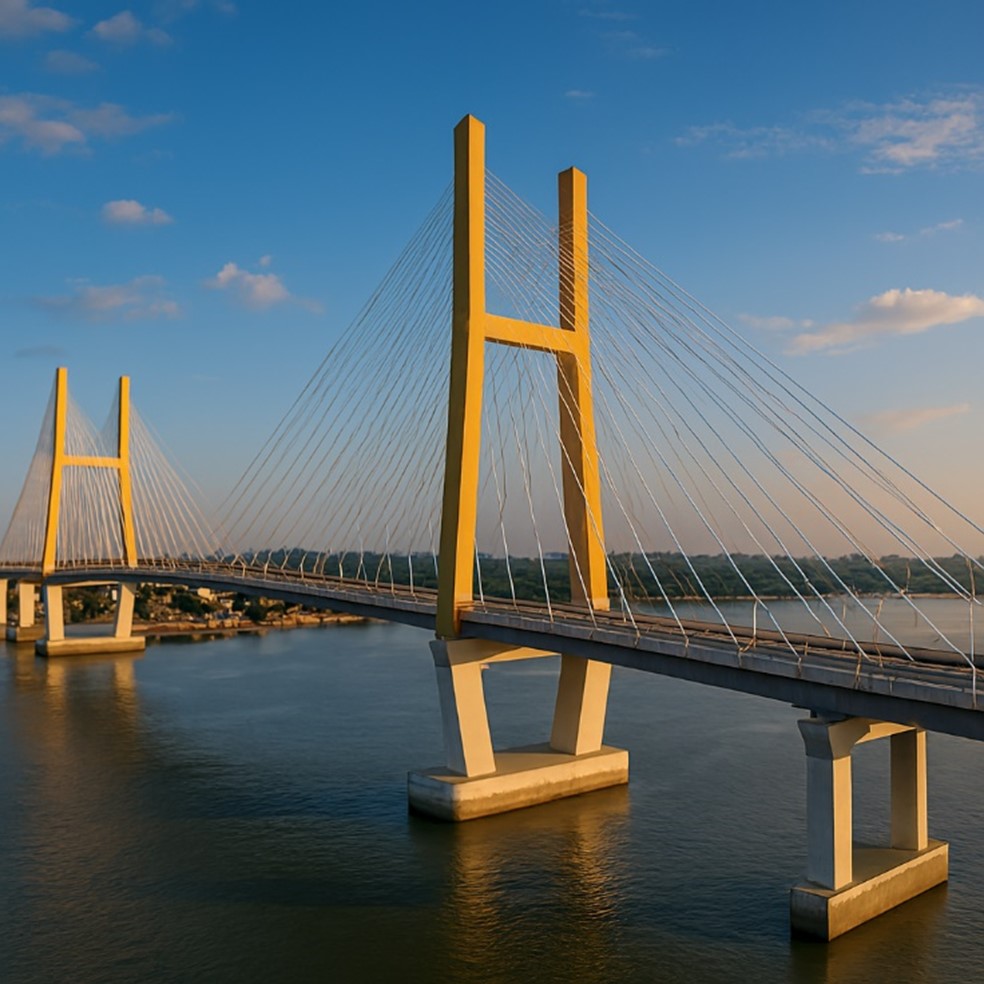
THE Yangon-Dala Bridge, officially named the Myanmar-Korea Friendship Bridge, is more than a piece of infrastructure. It represents decades of aspiration, years of engineering effort, and the promise of a brighter future for communities on both sides of the Yangon River. Its opening in February 2026 was celebrated not only as a technical achievement but also as a symbol of resilience, cooperation, and hope. Let us explore the history of the bridge’s conception, the challenges faced during construction, the benefits it brings after opening, and the importance of long-term maintenance to ensure its lasting legacy.
The Dream of a Bridge
For generations, residents of Dala Township relied on ferries to cross the Yangon River. These ferries were often overcrowded, slow, and subject to delays caused by weather or river traffic. The lack of a permanent crossing left Dala relatively isolated, limiting access to education, healthcare, and economic opportunities in Yangon.
The idea of building a bridge was first discussed decades ago, but political, financial, and technical constraints delayed its realization. It was only in the late 2010s that the project gained serious momentum. With support from the South Korean government and engineering firms, Myanmar embarked on the ambitious plan to construct a modern bridge that would permanently connect Yangon and Dala. The project was envisioned not only as a local solution but also as a symbol of international friendship, hence its official name.
Construction Timeline and Engineering Challenges
The construction of the Yangon-Dala Bridge began in May 2019 and spanned nearly seven years, culminating in its grand opening in February 2026.
Key Milestones
• 2019: Groundbreaking ceremony and initial foundation work.
• 2020-2021: Progress slowed due to the global COVID-19 pandemic, which disrupted supply chains and labour availability.
• 2022-2023: Resumption of full-scale construction, with major structural components installed.
• 2024-2025: Completion of the main span, finishing touches, and safety testing.
• 2026: Final inspections and the official opening ceremony.
Engineering Scale
The bridge stretches approximately 1.9 kilometres, with multiple lanes designed to accommodate both vehicles and pedestrians. Its foundations were built deep into the riverbed to withstand strong currents and heavy traffic loads.
Challenges Faced
1. Technical Difficulties: Building in a river with powerful currents required advanced engineering techniques and specialized equipment.
2. Financial Constraints: The project relied on international funding and cooperation, which required careful negotiation and planning.
3. COVID-19 Delays: The pandemic slowed progress, forcing adjustments in timelines and workforce management.
4. Urban Constraints: Construction had to be carefully managed to avoid disrupting Yangon’s busy port activities and river traffic.
Despite these obstacles, engineers, workers, and officials persevered, demonstrating resilience and determination.
The Opening Ceremony
The inauguration of the bridge on 6 February 2026 was a moment of pride for Myanmar. Senior General Min Aung Hlaing, Acting President of Myanmar, attended the ceremony alongside ministers, engineers, and representatives from South Korea.
Highlights included:
• A documentary film showcasing the construction process.
• Official handover of project documents by Soosung Company of Korea.
• Speeches emphasizing the importance of the bridge for national development and international friendship.
• Celebrations by local residents, who saw the bridge as the fulfillment of a long-awaited dream.
Benefits After Opening
The Yangon-Dala Bridge immediately began transforming daily life and regional development.
Transport Efficiency
Travel time between Yangon and Dala, once nearly an hour by ferry, was reduced to just a few minutes by road. This efficiency has made commuting easier for workers, students, and families.
Economic Growth
The bridge has opened new opportunities for trade, tourism, and investment. Dala, once considered a quiet township, is now poised to become a hub of economic activity. Local businesses benefit from easier access to Yangon’s markets, while investors see potential in developing the area.
Social Impact
Families can visit each other more easily, students can attend schools in Yangon without long delays, and healthcare access has improved. The bridge has strengthened social ties and reduced the sense of isolation that once defined Dala.
Regional Development
By connecting Yangon Region with Ayeyawady Region, the bridge encourages balanced growth across Myanmar. It supports the flow of goods, services, and people, contributing to national integration and development.
Symbol of Friendship and Cooperation
The Yangon-Dala Bridge is not only a national achievement but also a symbol of Myanmar-Korea friendship. South Korea’s involvement in funding and engineering reflects international cooperation and goodwill. The bridge stands as a reminder that infrastructure projects can also serve as diplomatic bridges, strengthening ties between nations.
Long-Term Maintenance and Sustainability
A bridge of this scale is not a one-time achievement. Its safety and usefulness depend on careful preservation.
Strategies for Maintenance
1. Regular Inspections: Structural integrity must be checked frequently, especially the pillars, joints, and road surface.
2. Preventive Maintenance: Steel parts should be repainted to prevent rust, and minor cracks should be repaired before they expand.
3. Traffic Management: Authorities must regulate traffic flow to avoid overloading and ensure smooth movement.
4. Community Responsibility: Citizens should respect the bridge, avoiding activities that could damage it.
5. International Cooperation: Continued collaboration between Myanmar and South Korea will provide technical expertise for long-term upkeep.
By following these strategies, the bridge can remain safe and functional for decades.
The Yangon-Dala Bridge is more than concrete and steel – it is a lifeline of opportunity. Born from decades of hope, built through years of effort, and opened with pride, it now stands as a symbol of resilience, cooperation, and progress.
Its benefits are already visible: faster transport, economic growth, social integration, and regional development. Yet its future depends on careful maintenance and collective responsibility. If preserved wisely, the bridge will continue to serve as a lasting testament to the power of vision, determination, and friendship.
In the years to come, the Yangon-Dala Bridge will not only connect two sides of a river but also unite communities, strengthen international ties, and inspire future generations. It is a reminder that when nations and people work together, dreams can indeed become reality.