
By Junior Thin
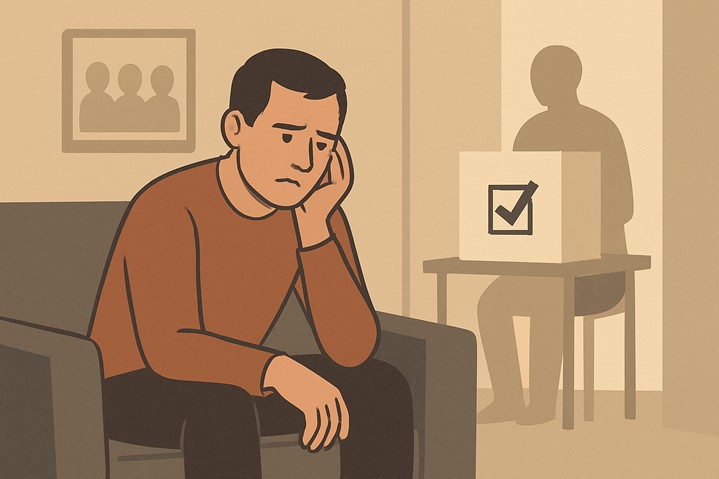
Voting is one of the most important ways that citizens can participate in shaping the future of their country. Yet, some people decide not to vote because they think their one vote will not matter, while others are simply not interested in politics. Some feel they do not know enough about politics or politicians and do not have the time to learn before an election. Finally, some citizens choose not to vote because they do not like any of the candidates. These reasons may seem personal and harmless, but in reality, the absence of voting represents a significant loss of chances for both the individual and the society they live in.
When a citizen does not vote, they lose the opportunity to have their voice heard in decisions that directly affect their lives. Policies on education, healthcare, employment, and civil rights are shaped by elected leaders, and abstaining from voting means surrendering influence over these critical areas. Even if one vote seems small, elections are often decided by narrow margins, and the collective power of many individuals who think their vote does not matter can change the outcome. By not voting, citizens allow others to decide for them, weakening their own agency and representation.
The absence of voting also erodes collective power. Democracy depends on participation, and when large numbers of citizens abstain, the balance of representation shifts toward groups that consistently vote. This often results in policies that favour certain demographics while ignoring others. For example, younger citizens who fail to vote may find their concerns about education or employment overlooked, while older generations who vote regularly see their priorities reflected in government decisions. Thus, non-voting contributes to inequality in representation and strengthens entrenched elites who benefit from low participation.
Beyond personal and collective losses, not voting reflects a weakening of civic responsibility. Voting is not only a right but also a duty that sustains democratic culture. When citizens abstain, leaders are less accountable, and democratic institutions lose legitimacy. This opens the door to authoritarian tendencies, corruption, and policies that serve narrow interests rather than the public good. The absence of voting also leads to stagnation, as governments face less pressure to innovate or address pressing issues. Citizens who do not vote miss the chance to demand change, leaving outdated policies in place.
There are also psychological and social consequences of non-voting. Citizens who abstain often feel alienated from their communities and governments, reinforcing cycles of disengagement. They lose the sense of empowerment that comes from participating in democracy and may begin to believe that politics is irrelevant to their lives. This alienation weakens solidarity within communities, as voting is a collective act that affirms shared values and responsibilities. Moreover, when parents abstain, they often model disengagement for their children, perpetuating cycles of non-participation across generations.
History teaches us that widespread non-voting can have grave consequences. In societies where citizens disengage, authoritarian leaders often exploit the vacuum, consolidating power without resistance. The absence of voting undermines freedoms and disregards the sacrifices made by those who fought for the right to vote. It diminishes a nation’s moral authority and weakens its voice on the global stage, as policies shaped by disengaged electorates lack legitimacy. In many countries, hard-won rights to vote were achieved through struggle, protest, and sacrifice. To abstain from voting is to ignore these struggles and to waste the opportunities they created.
The reasons people give for not voting — whether believing their vote does not matter, disinterest in politics, lack of knowledge, or dissatisfaction with candidates — are understandable but ultimately harmful. Each reason represents a missed opportunity to influence the future. Citizens who abstain lose the chance to be part of change, to hold leaders accountable, and to affirm their place in the democratic community. The absence of voting is therefore not just a personal choice but a collective loss that weakens democracy itself.
Reclaiming the duty to vote is essential. Citizens must recognize that voting is both a right and a responsibility. Governments and civil society should invest in civic education to address ignorance and apathy, while making voting more accessible through technology and inclusive policies. Most importantly, societies must cultivate a culture where voting is valued as a shared duty, reinforcing its importance across generations. By embracing this duty, citizens can reclaim their lost chances, strengthen democracy, and ensure that their voices contribute to shaping a future that reflects the will of the people.
Ultimately, the absence of voting is not only about missing a single election. It is about missing the chance to be part of history, to influence the direction of society, and to stand alongside fellow citizens in shaping a collective destiny. Each ballot cast is a statement of belonging, a declaration that one’s voice matters, and a contribution to the ongoing story of democracy. When citizens abstain, they silence themselves, leaving gaps in the narrative of their nation. The loss of chances is therefore profound: it is the loss of agency, of representation, of solidarity, and of the opportunity to shape a better future.
By choosing to vote, citizens affirm their role in democracy and reclaim the opportunities that are lost when they abstain. Voting is not perfect, nor is it the only form of civic engagement, but it remains the most direct and powerful tool citizens possess to shape their future. To abstain is to relinquish this tool, to forfeit the chance to be heard, and to weaken the democratic fabric that binds societies together. The duty to vote is, therefore, not only a personal responsibility but also a collective necessity. By embracing it, citizens reclaim their lost chances and strengthen the promise of democracy for generations to come.