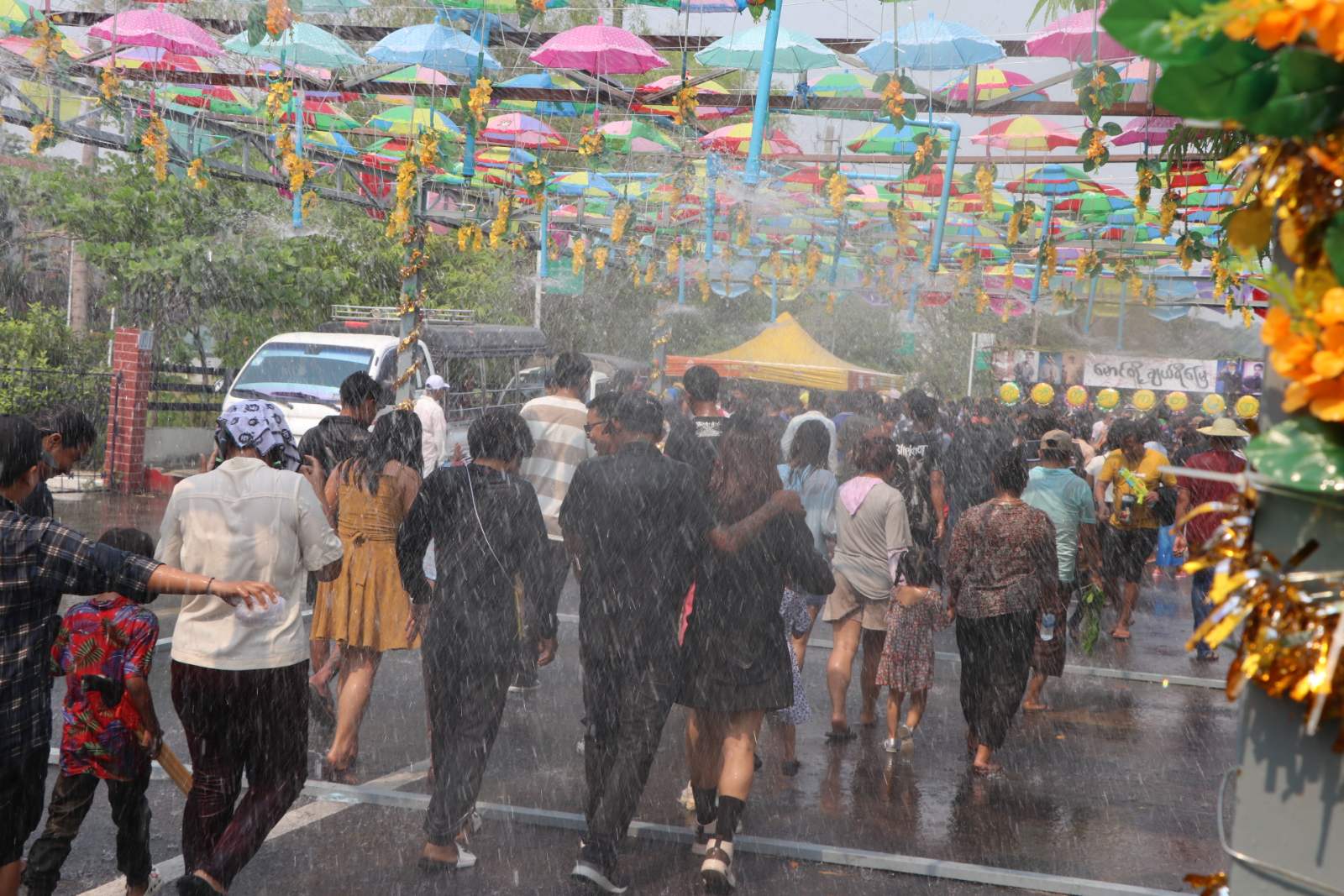
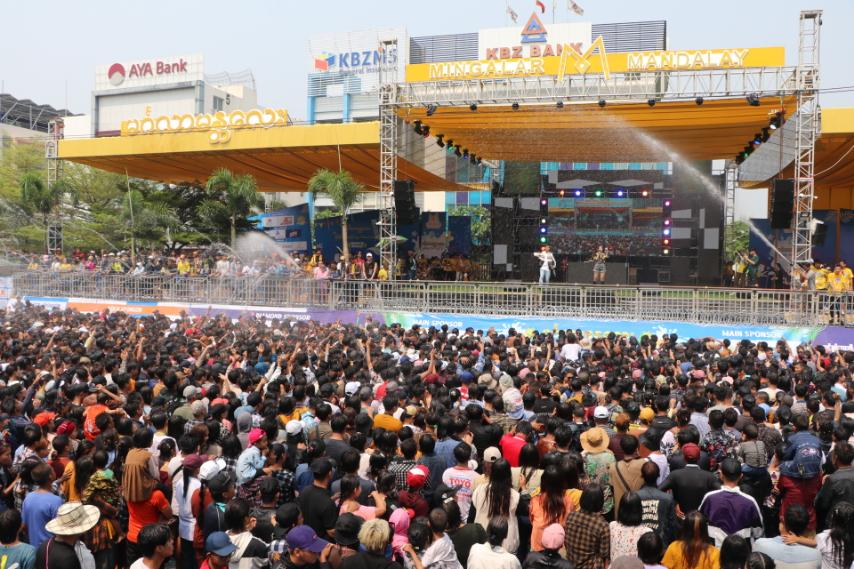
During the 2026 traditional Myanmar Thingyan festival, the “Mandalay Walking Thingyan,” will be held in a lively atmosphere around the moat in Mandalay, in keeping with tradition.
Forty-five pavilions — including 17 large and 28 small — will be built around the moat during the festival, said U Tin Tun Oo, head of the Revenue Department of the Mandalay City Development Committee. He added that the Mandalay City Maha Thingyan Pavilion is currently under construction and is about 75 per cent complete. The pavilion features unique designs, different from previous years, and is being built in accordance with Myanmar’s traditional culture.
“In addition to these pavilions, we will also celebrate the Mingala Mandalay Walking Thingyan on 73rd Street. We have planned Thanaka pavilions, flower pavilions, and other attractions in a lively arrangement. The purpose of the walking Thingyan is for the public to stroll around the moat, enjoy the water festivities, and participate in the entertainment and charity feast programmes at the pavilions,” he said.
In addition, this year’s Mandalay Thingyan will feature a solar-powered water pump system, allowing people to splash and play with water. No vehicles will be permitted in the moat area, and only pedestrians will be allowed to participate in the festivities.
“The pavilion’s opening ceremony will be held on the evening of the first day (Akyo Day) of the Thingyan festival, and the closing ceremony will take place on the evening of the last day (Atet Day). The opening will feature a grand event with 500 schoolgirls and 400 belles, totalling 900 participants. In addition, the Myanmar choral dance troupes will parade through the city with the Myoma band to pay homage to the public. There will also be singing performances by popular artistes and shows by a traditional Myanmar orchestra. Choral dance competitions will be held as well, with handsome prizes awarded to the winners,” he said.
This year, as a special feature, pavilions representing eight ethnic groups—Kachin, Kayah, Kayin, Chin, Bamar, Mon, Rakhine, and Shan—will be set up. Traditional dances and ethnic foods will be offered, allowing people to enjoy foods while experiencing the Thingyan festival.
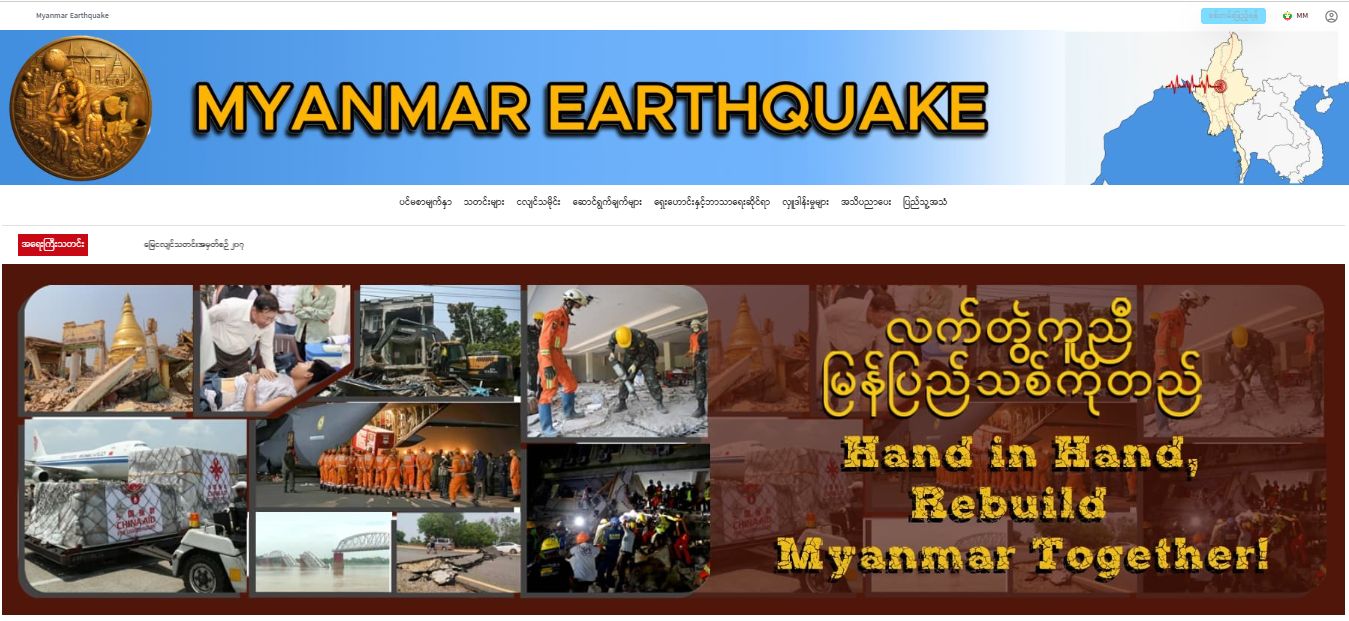
Since last year’s Mandalay earthquake prevented the celebration of Thingyan, this year’s festival has been planned on a grand scale, in keeping with traditional culture. — Min Htet Aung (Mandalay sub-printing house)/TH