Compiled from regions and states nationwide, Myanmar’s inventory of intangible cultural heritage comprises 2,289 items, including 104 related to language and oral traditions, 506 to performing arts, 651 to social customs and festivals, 199 to knowledge and practices concerning nature and society, and 829 to traditional crafts, all of which have been designated for the first time as part of the National Intangible Cultural Heritage Register.
Myanmar
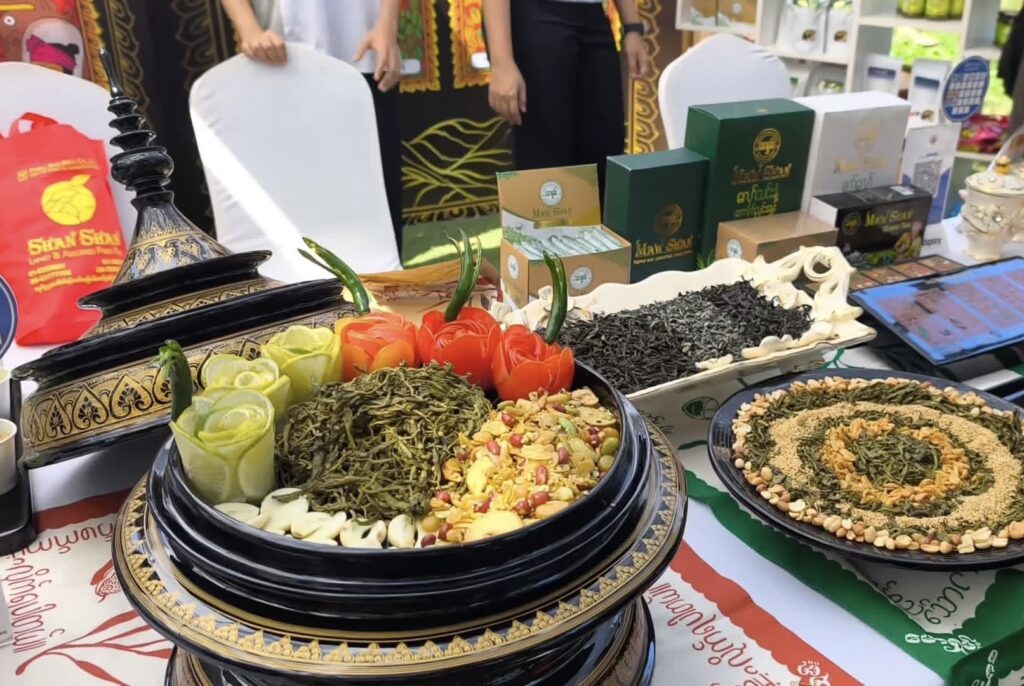
The Myanmar Cultural Heritage Trust, a conservation organization, has submitted documentation to seek the inscription of Myanmar’s green tea culture on UNESCO’s Representative List of the Intangible Cultural Heritage of Humanity.
Chairperson Daw Sandar Khin of the Myanmar Cultural Heritage Trust said that the collected information was submitted to the Ministry of Religious Affairs and Culture, the focal point, on 25 February. The ministry then examines it and submits it to the government office. When the government office agrees, it is submitted to the Ministry of Foreign Affairs. The Ministry of Foreign Affairs then sends it to the Myanmar Ambassador/Permanent Delegate to UNESCO in Paris, France.
The Ministry of Foreign Affairs will submit the application to UNESCO’s Intangible Cultural Heritage (ICH) section through the Myanmar Embassy in Paris before 31 March 2026. Currently, Myanmar’s tea culture is being nominated for inscription on the Representative List of the Intangible Cultural Heritage of Humanity. In addition, the traditional Myanma Thanaka cultural practice was submitted to UNESCO in 2025, so a decision is likely to be made by the end of this year.
The Traditional Myanma Ata Thingyan Festival was inscribed on UNESCO’s Representative List of the Intangible Cultural Heritage of Humanity for the first time in 2024.
The inventory of Myanmar’s intangible cultural heritage, compiled from each region and state, includes 104 items related to language, oral traditions, and expressions; 506 items related to performing arts; 651 items related to social customs and festivals; 199 items related to knowledge and practices concerning nature and society; and 829 items related to traditional crafts. In total, 2,289 items have been designated as part of the National Intangible Cultural Heritage Register for the first time. — ASH/TH