
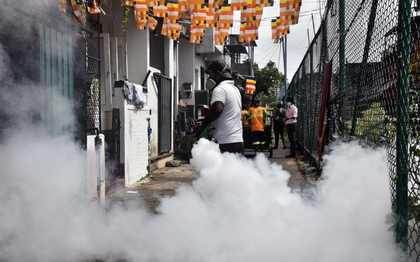
A new strain of the dengue virus now circulating in Sri Lanka is increasing the risk of transmission, Deputy Minister of Health Hansaka Wijemuni said, as authorities began a countrywide prevention program to control mosquito breeding and reduce infections on Monday.
Wijemuni told the media that the current virus contains several changes compared with strains previously detected in the country. He said many people in Sri Lanka may not have been exposed to this variant before, making a larger section of the population vulnerable to infection.
Sri Lanka has reported 41,144 dengue cases so far this year, while 24 deaths have been recorded. Four children were among those who died.
To curb the rising number of cases, the government has launched a Special Dengue Prevention Week from June 15 to 20.
From June 15 to 17, the program will focus on public places across the island. It will then move to the education sector on June 18, covering schools, preschools, private schools and other institutions attended by children.
Public and private workplaces will be targeted on June 19, while June 20 has been allocated for the inspection and cleaning of homes and surrounding environments.
Wijemuni said health authorities had anticipated a periodic increase in dengue cases and had prepared for such a situation. He said the government's response is focused on reducing mosquito populations and ensuring patients receive timely medical care before their condition worsens.
He also urged the public to remove mosquito breeding sites and support prevention efforts, stressing that state action alone would not be sufficient to contain the spread.
Authorities warned that failure to prevent mosquito breeding sites is punishable under Sri Lankan law. Legal action will be taken against those who maintain unhygienic environments that facilitate dengue mosquito breeding.
Police said construction sites will receive special attention during the program. Authorities may seek court orders to prohibit operations at construction sites maintained in a manner that threatens public health.
The National Dengue Control Unit urged the public to clean possible mosquito breeding sites in and around their surroundings. It also requested people to seek immediate medical treatment if they develop a fever.
XINHUA