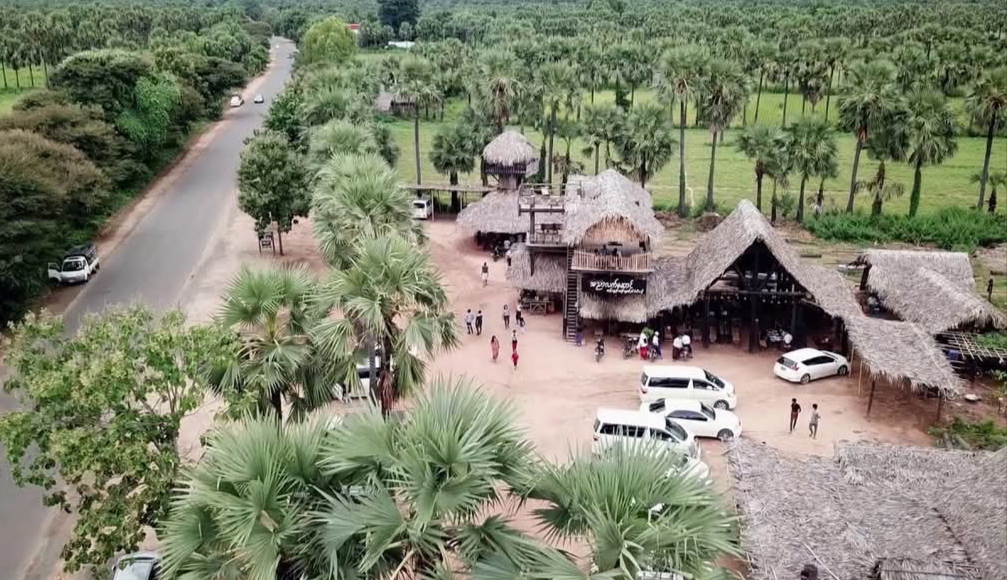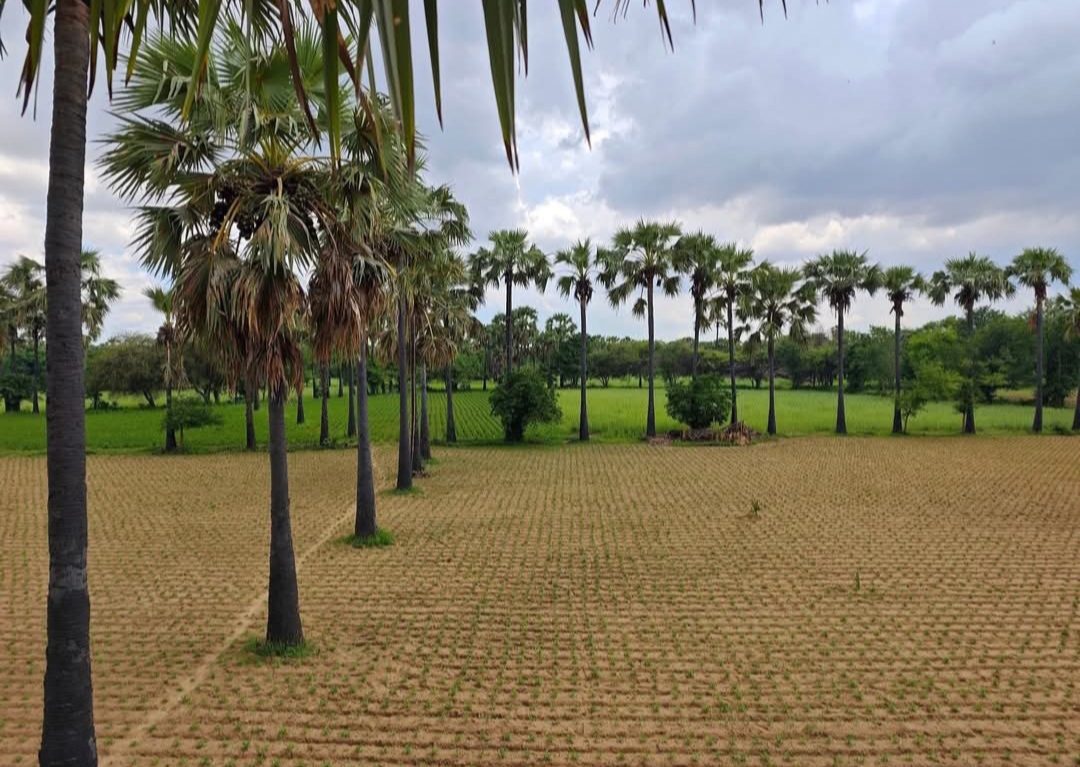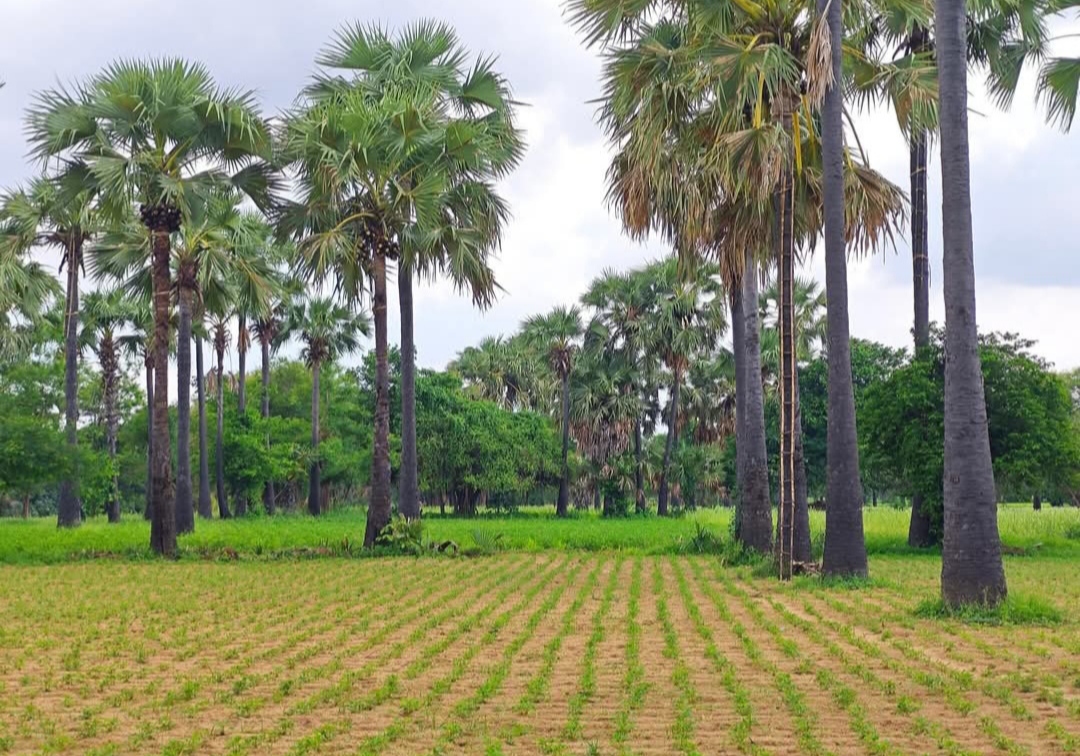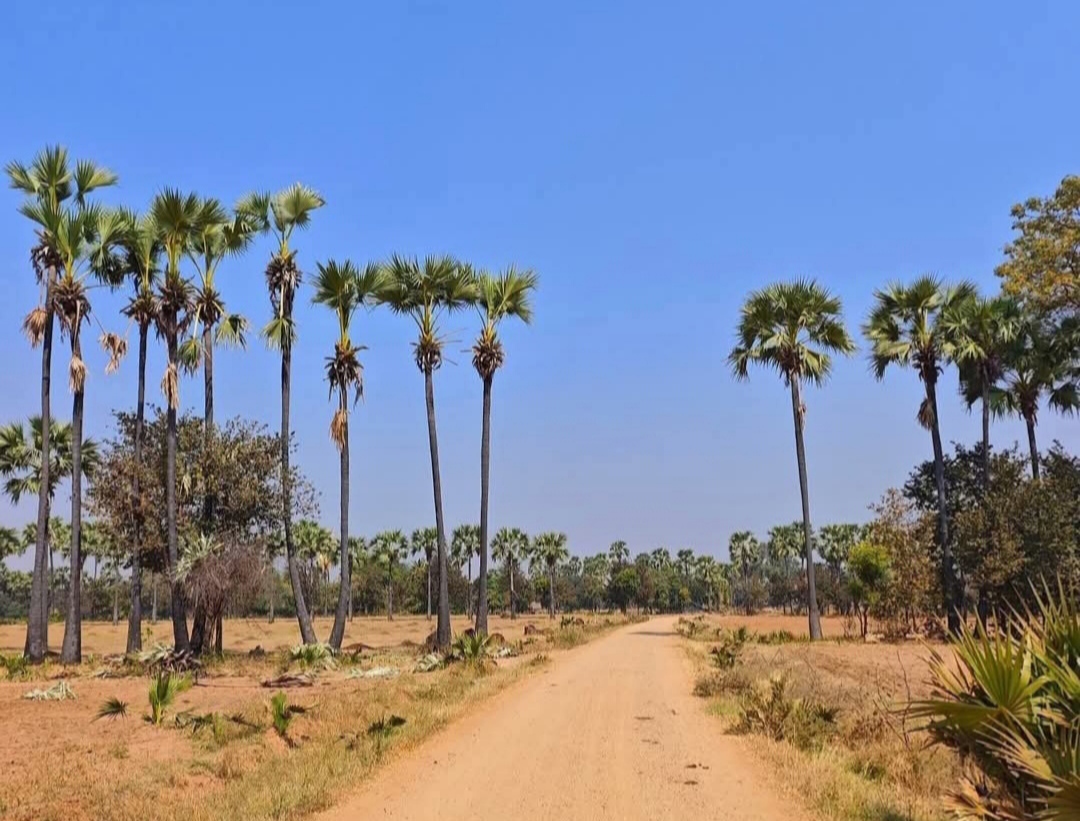
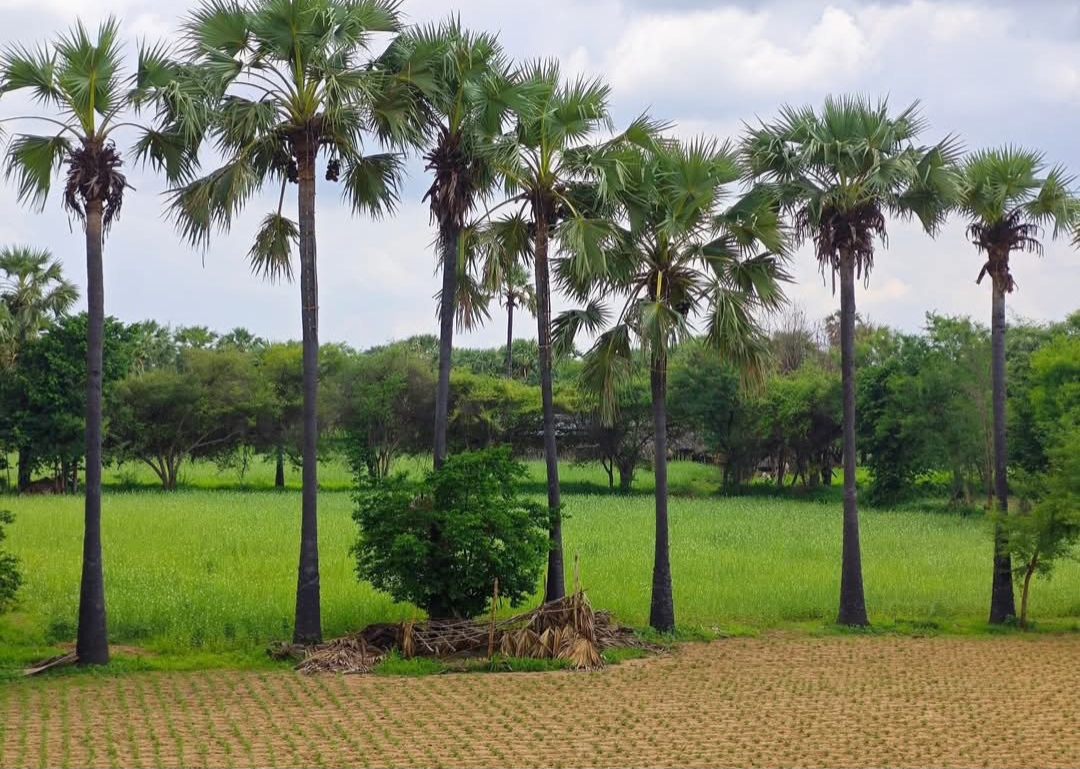
The rows of toddy palm or toddy groves are common in the central part of Myanmar, and can be seen in Anya (upcountry), such as Bagan, NyaungU, Kyaukpadaung, Pakokku, Myingyan and Yesakyo.
The toddy palm is known as Borassus flabellifer Linn and is called the Palmyra palm in English. In Mon and Shan languages, it is known as Tan.
Palms like dry season with 20-40 inches of rainfall, and are common in dry countries such as Myanmar and India. They can grow in every places of the country except the wetland areas, especially in the middle parts of the country, whereas they can be seen in Taninthayi and Ayeyawady regions.
There are male palms and female palms. Although both types produce palm sap, only the fruits from female trees can be used for sampling. In spring, male palm trees about ten years old begin to produce flower clusters from which palm sap is obtained. Female trees start bearing palm fruits at about fifteen years of age, and sap can also be collected from the fruit stalks. Palm farmers cut and prepare both male and female trees seasonally to collect the sweet sap, which is often boiled to produce jaggery. Fresh palm sap has a light green colour, and when boiled, it produces slightly brown jaggery.
All parts of palms are useful. According to experts, one acre of palm trees can produce an average of about 3,300 palm fruit clusters. A single palm tree can yield around 12 litres of sap per day. In moist soil, a palm tree can become usable within about 15 years, while in dry soil it takes around 25 years to mature. Palm trees can grow to an average height of 60 to 80 feet and may live for more than 100 years. Therefore, once planted, they can provide many benefits to farmers with minimal investment.
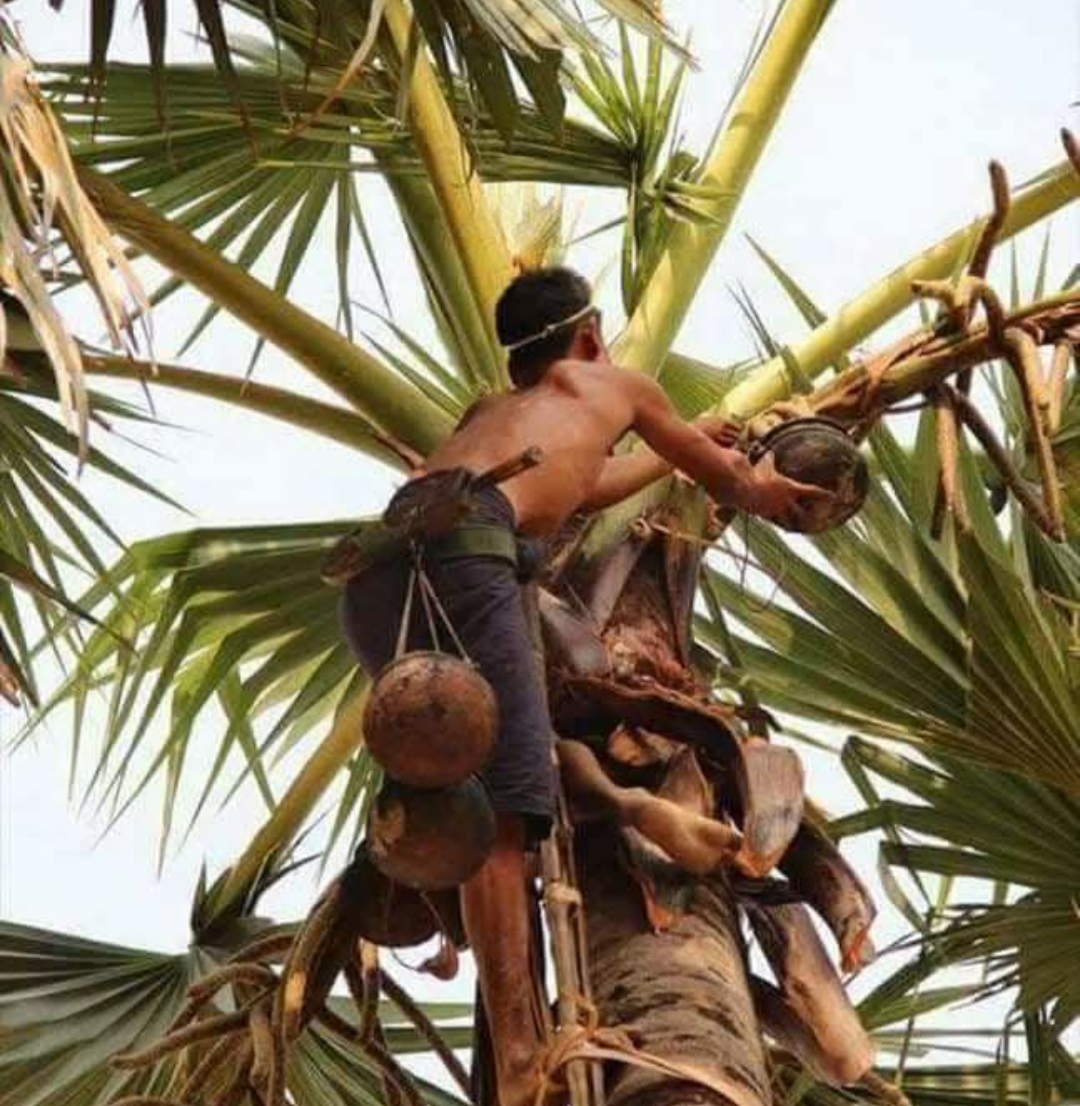
Palms are categorized into three types: male trees, female trees, and fruit-bearing trees. The toddy farmers climb the male trees in Pyatho and Tabodwe, whereas female trees in Taboung and Tagu, fruit-bearing trees later Kasone and early Waso. Palm tapping is a job that cannot be skipped even for a single day. The tree must be cut daily to maintain sap flow; if days are missed, the sap will stop flowing. First, the tree is prepared and cut, and then clay pots are attached to collect the sap. Each tree may ha ve four to six sap pots. A palm branch can produce about one pot of sap per day. Palm trees are usually climbed and tapped twice daily, in the morning and in the evening.
Various food products are produced from palm trees, including palm fruit, jaggery from palm sap, preserved palm sap, vinegar, wine, alcohol, jam, pudding, jelly and snacks. To produce long-lasting palm sap, the sap collected in the morning is filtered carefully and placed in sterilized pots or plastic bottles. It is then heated at about 120°C for around five minutes and sealed in sterilized bottles. In this way, the sap can be preserved for up to two years while maintaining its original aroma and taste. The preserved palm sap can also be mixed with other natural fruit juices to produce beverages for sale. High-quality sugar and various types of jaggery are also being exported.
The dense palm groves in the central dry zone help regulate the local environment and climate to some extent, in addition to improving the social status of farmers. They also contribute to about 300,000 toddy farmers and their families, and so all should save toddy palms and groves as they depict the natural beauty of rural areas. — Zeya Naing (Shwe Kan Myay)/KTZH