Pone Yay Gyi (Fermented Bean Paste)
For this week’s regional dish, we have chosen a speciality from Upper Myanmar that is well known for enhancing the appetite whenever it accompanies a meal. Although it originates from the Upper Dry Zone, it is also widely enjoyed by people in Lower Myanmar. This beloved dish is Pone Yay Gyi.
Pone Yay Gyi is produced in towns such as Bagan, NyaungU, Sale, and Myingyan, and distributed nationwide. Around the Bagan area, its production is a well-known home-based cottage industry with a long-standing reputation.
Made from horse gram, Pone Yay Gyi is not only flavourful and versatile but also rich in protein, lecithin, antioxidants, vitamins, and minerals, making it beneficial to health. In the traditional treatise Utu Bawzana Kyan by the Myanmar scholar Yaw Atwinwun (Minister) U Bo Hlaing, it is stated:
“Pone Yay softens the stomach, whets the appetite, aids digestion, and relieves flatulence.”
For this week, we present the method of preparing and serving Pone Yay Gyi.
Ingredients
Horse gram – 1 kilogramme
Salt – 1 teaspoon
Water – as required
Preparation Method
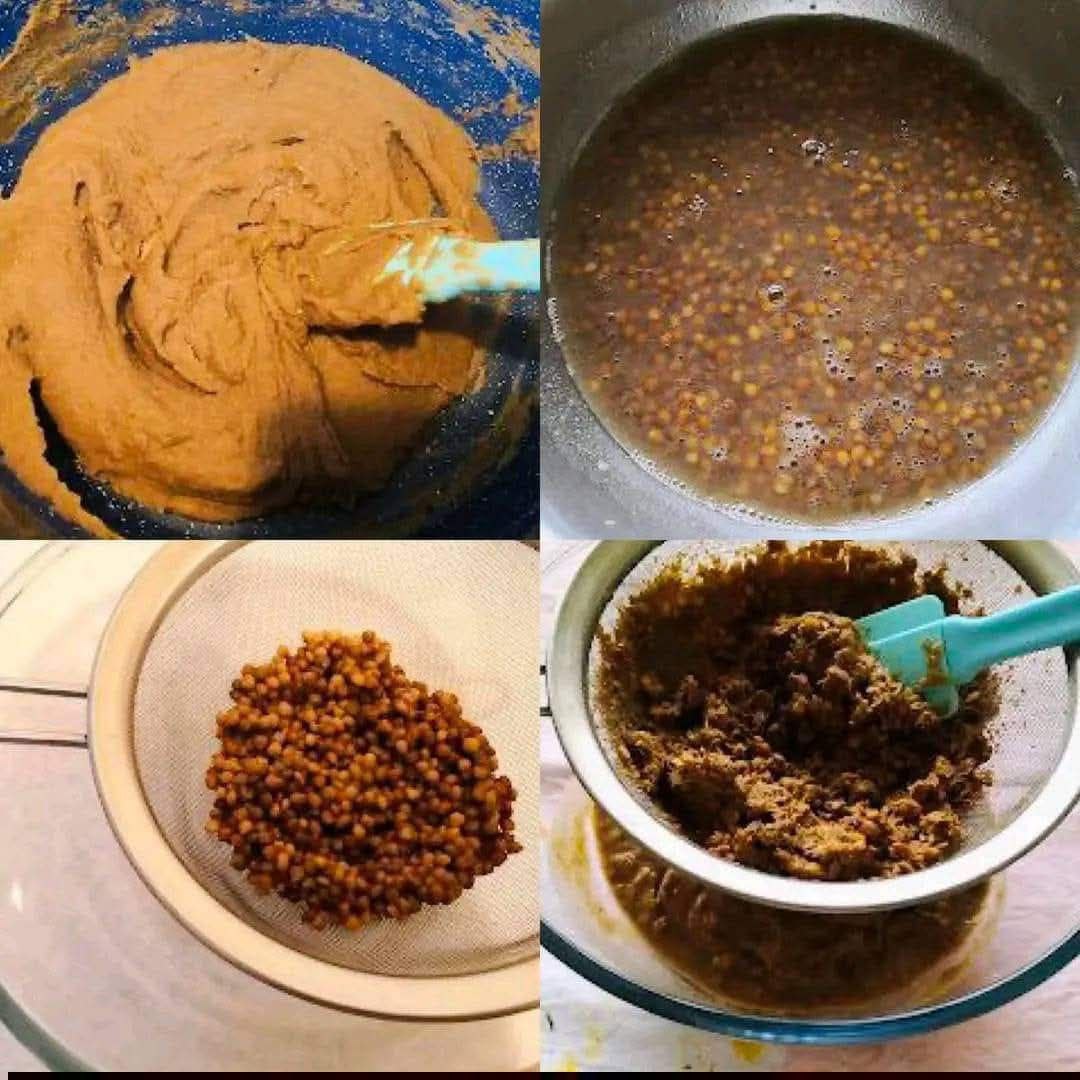
1. Wash the beans thoroughly two or three times with plenty of water.
2. Place them in a bowl, add sufficient water, and soak overnight.
3. The next day, drain the soaking water and transfer the beans to a deep pot.
4. Add enough water to submerge the beans and boil.
5. Stir occasionally to ensure even cooking.
6. Check for tenderness; if not soft, add more water and continue boiling until tender.
7. Once soft, add salt and stir well.
8. Strain the boiled beans, reserving both the beans and the liquid.
9. Mash or grind the beans through a fine sieve to obtain a smooth paste.
10. Combine the bean paste with the reserved liquid in a bowl, seal tightly, and allow it to ferment at room temperature for about three days.
11. When fermentation develops a sour aroma, prepare to cook the paste.
12. Place the fermented mixture in a pot, add some water if necessary, and cook over moderate heat.
13. Stir patiently until the mixture thickens.
When the liquid reduces, and the paste becomes thick with a mildly sour, slightly rich taste, the Pone Yay Gyi is ready.
Since the paste thickens further after cooling, remove it from the heat slightly before reaching the desired consistency. Transfer it into a clean earthenware or airtight container. (If stored in metal containers, it may darken in colour; therefore, avoid cooking in iron pots if colour preservation is desired.)
High-quality Pone Yay Gyi should not be overly sour. A moderately fermented paste offers a balanced sour and savoury taste. To prevent mould from forming on the surface during storage, pour a thin layer of sesame oil or peanut oil over the top.
Ways to Enjoy Pone Yay Gyi
As a salad: Most commonly mixed fresh and served as a side dish.
With meat: Particularly well paired with pork. Add the paste before the pork is fully cooked and simmer gently so the sour-savoury flavour penetrates the meat. The dish should be cooked until the oil rises and no excess water remains for the best flavour.
With fish: Those who avoid pork may cook it with fatty fish such as Mrigal carp (Cirrhinus mrigala) or Burmese river catfish (Hemibagrus nemurus) for a rich, appetizing dish.
With noodles: Adding bean paste to noodle soup creates a Korean-style flavour variation.
Fried Pone Yay Gyi: Delicious, long-lasting, and suitable with any curry. It can also be mixed with rice to make a flavourful rice salad.
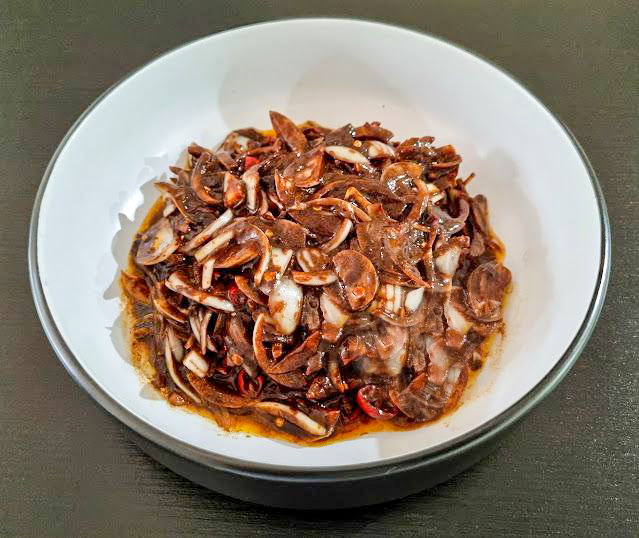
Pone Yay Gyi Salad (Common Style)
Ingredients
Pone Yay Gyi – 2 tablespoons
Onion – 1
Garlic – 2 cloves
Green chillies – 2
Oil – 2 tablespoons
Salt – to taste
Dried shrimp powder – 1 teaspoon
Seasoning powder – optional
Chilli powder – optional
Method
1. Thinly slice the onion, rinse, and drain.
2. Peel and finely slice the garlic.
3. Wash and finely slice the green chillies.
4. Place the Pone Yay Gyi in a bowl.
5. Add the sliced onion, garlic, and chillies.
6. Add oil, dried shrimp powder, salt, chilli powder, and seasoning powder as desired.
7. Mix thoroughly.
You will have a mildly sour, savoury, and appetizing Pone Yay Gyi salad ready to enjoy. — MOON